What Is Levantine Cuisine? A Guide to the Eastern Mediterranean Table
Levantine cuisine originates from the eastern shores of the Mediterranean: the historic lands of Lebanon, Syria, Jordan, and Palestine. It is a culinary tradition built on centuries of trade, agriculture, and communal gathering. Unlike broader labels such as "Mediterranean" or "Middle Eastern," Levantine cooking has a distinct identity rooted in specific ingredients, techniques, and a philosophy of shared dining that has influenced kitchens around the world.
Mezze: The Heart of the Levantine Table
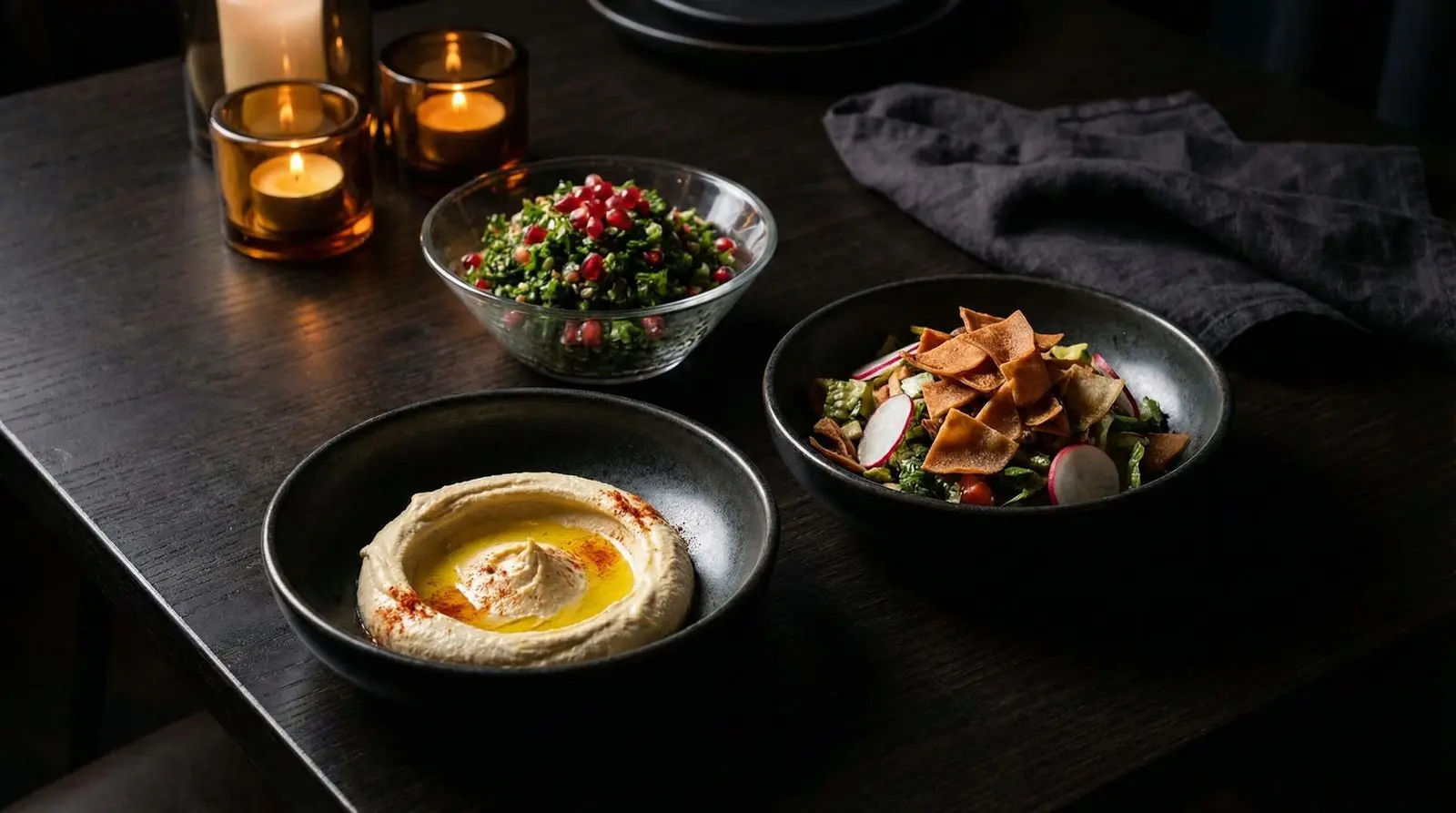
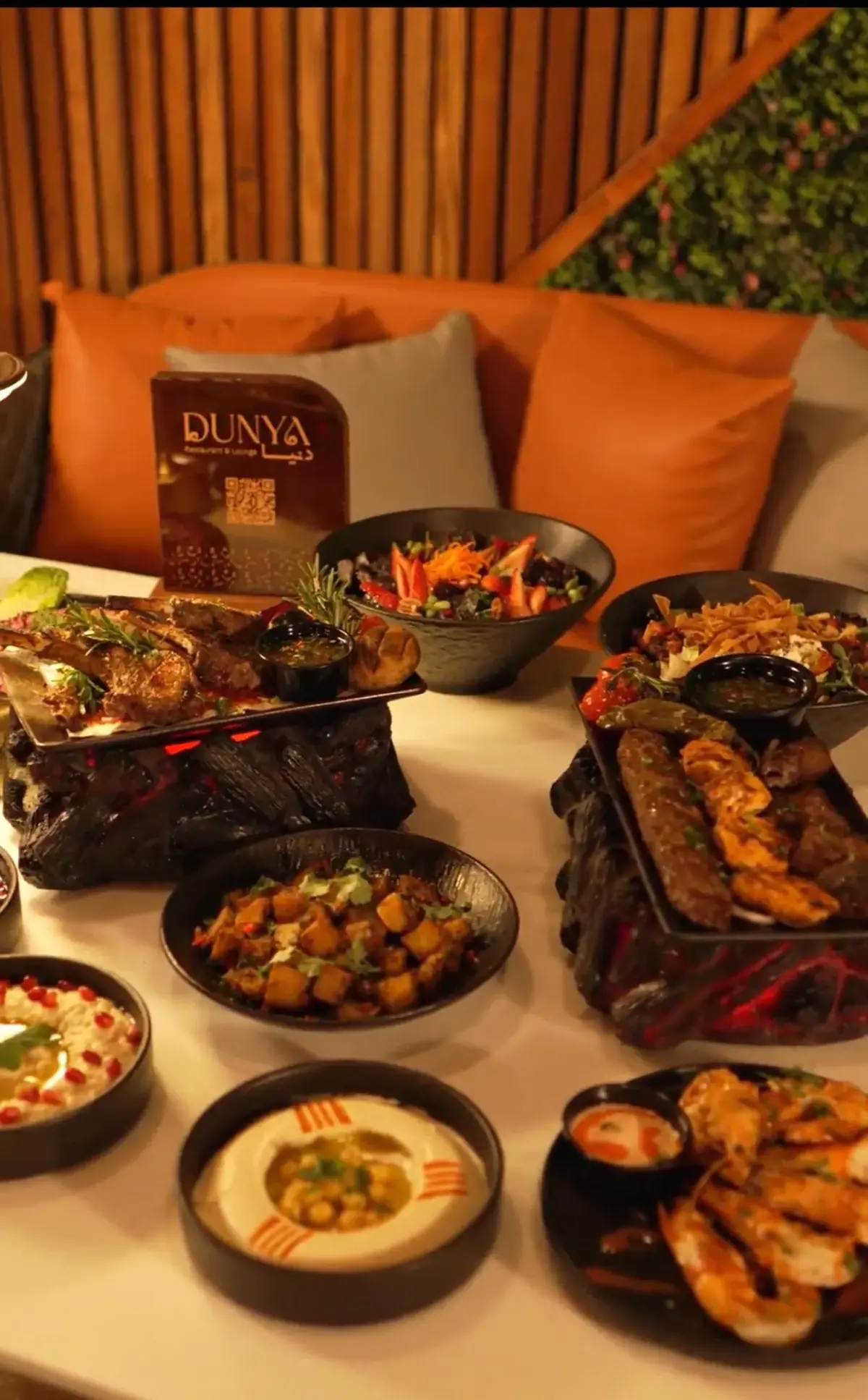
At its heart, Levantine cuisine is about mezze: the art of small plates designed for the center of the table. A traditional Levantine meal rarely features a single main course served to one person. Instead, dishes arrive in waves: creamy hummus drizzled with olive oil, smoky baba ganoush, bright tabbouleh packed with fresh parsley, warm falafel with crispy edges and fluffy green interiors, and stuffed grape leaves filled with herbs and rice. Each dish is meant to be shared, tasted, and savored alongside conversation.
Essential Ingredients and Spices
The ingredients of Levantine cooking reflect the fertile lands of the region. Olive oil is the foundation of nearly every dish, used generously in cooking, dressing, and finishing. Tahini (ground sesame paste) appears in everything from hummus to desserts. Fresh herbs like parsley, mint, and cilantro are not garnishes but primary ingredients, used in handfuls rather than pinches. Sumac, za'atar, allspice, and cumin provide the warm, earthy spice profiles that distinguish Levantine food from other Mediterranean traditions.
The Art of Charcoal Grilling
Grilling holds a special place in Levantine cuisine. Kebabs, kafta, and shish tawouk are staples of the charcoal grill, where meats are marinated in yogurt, garlic, and warm spices before being cooked over open flame until charred and smoky. The mixed grill platter (a communal centerpiece featuring multiple grilled meats served with pickled vegetables, garlic sauce, and warm pita) is perhaps the most iconic expression of Levantine hospitality.
Texture, Contrast, and the Levantine Philosophy
What makes Levantine cuisine unique among Mediterranean food traditions is its emphasis on texture and contrast. A single meal might feature creamy dips, crunchy fried pastries, tender grilled meats, crisp raw salads, and soft warm bread, all designed to complement each other. The fattoush salad, with its crisp fried pita chips tossed among fresh vegetables and tangy sumac dressing, embodies this philosophy perfectly.
Levantine Cuisine at Dunya Lounge
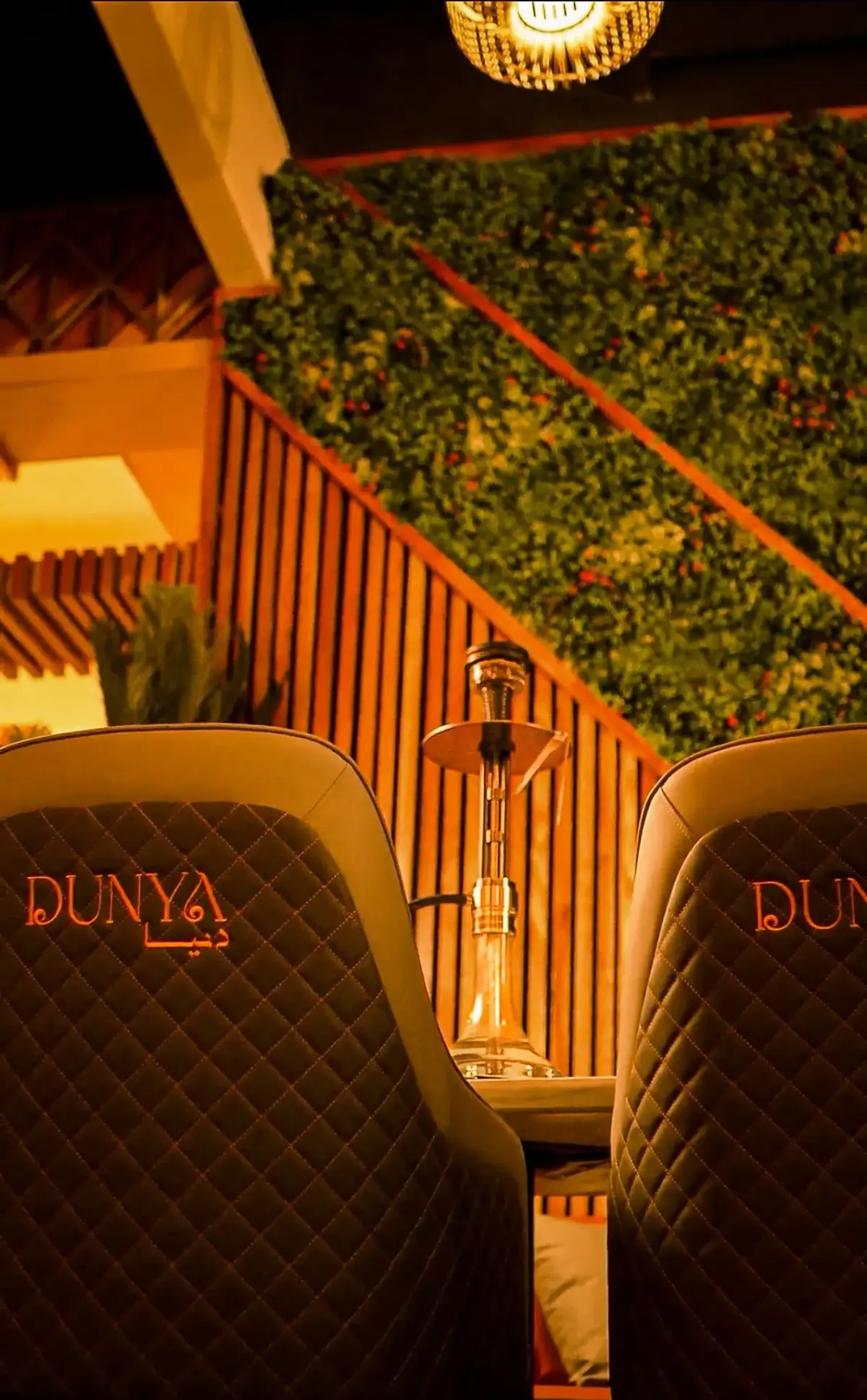
At Dunya Lounge in downtown San Diego, we honor these traditions while bringing them into a modern lounge setting. Our kitchen prepares every dish from scratch, from our slow-cooked hummus to our hand-rolled grape leaves, using the same techniques that have defined Levantine kitchens for generations. We believe that the best way to experience Levantine cuisine is the way it was always meant to be enjoyed: at the center of the table, with people you care about, taking your time.
Experience Levantine cuisine in person at Dunya Lounge
Plan your visit: our Levantine restaurant in San Diego, Mediterranean dining downtown, the hookah bar in downtown San Diego and parking near Dunya Lounge.